Author: Matt Zavadsky

Post-Webinar Q&A: Year 1–4 CMS Ambulance Cost Report Now Available

Thank you for the great discussion and thoughtful questions that followed PWW|AG’s Ground Ambulance Data Collection Systems (GADCS) Webinar. After the session, our team reviewed the questions submitted and pulled together a new resource:

Created by PWW|AG Co-Founder Doug Wolfberg and EMS & Mobile Healthcare Consultant Matt Zavadsky, this Q&A document addresses some of the most common situations agencies are working through, including:

  • Why EMS is often left out of shared savings — and how some agencies are changing that
  • How Treatment in Place and non-transport billing is being handled nationwide
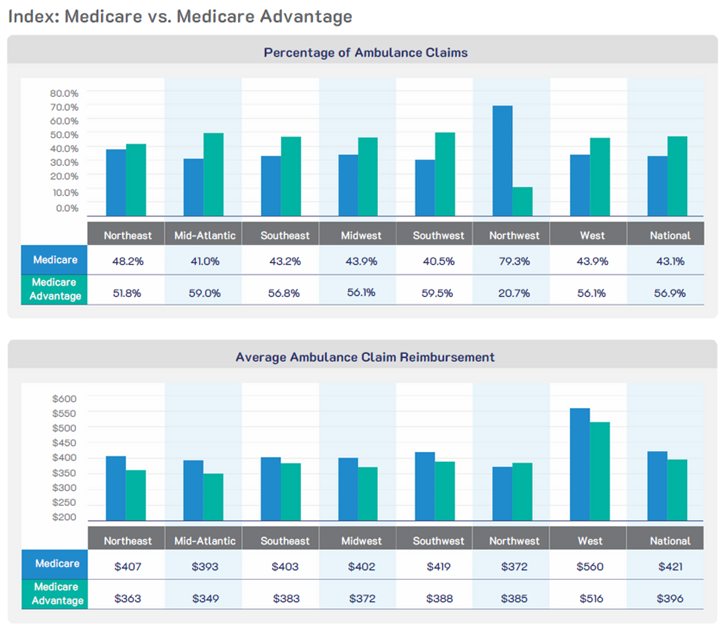
  • What the CMS data reveals about the growing gap between costs and FFS reimbursement
  • Key operational and compliance questions agencies are facing today

This resource is designed to help agencies turn cost report data into practical understanding and informed decision-making.

REMSA Health: New EMS agreement in Washoe County emphasizes patient outcomes and public oversight

Congratulations to AIMHI member agency REMSA Health on this agreement.

It epitomizes the mission and vision of AIMHI and High-Performance / High-Value EMS delivery!

High-Performance systems like REMSA demonstrate that high-value, innovation, transparency and public accountability – while at the same time, achieving a high level of financial efficiency – is possible, and should be a model for other EMS systems!

New EMS agreement in Washoe County emphasizes patient outcomes and public oversight

January 25, 2026

https://mynews4.com/news/local/new-ems-agreement-in-washoe-county-emphasizes-patient-outcomes-and-public-oversight

The District Board of Health on Thursday approved a modernized franchise agreement with REMSA Health, marking the first significant update to the contract governing emergency medical services in Washoe County in decades.

Board members said the revised agreement is designed to strengthen patient care, improve transparency, and provide long-term stability for emergency medical services, while ensuring uninterrupted EMS coverage for the community.

The previous agreement had not been substantially updated for many years. Under the new framework, the board placed increased emphasis on patient outcomes, responsible cost controls, improved access to data, and stronger public oversight. Officials said these changes are intended to better align the EMS system with current standards and community expectations.

The agreement also establishes a structure for ongoing evaluation and accountability. It includes regular five-year reviews, annual performance assessments, and timelines to further examine emergency dispatch practices. The board also committed to reconvening within six months to consider additional improvements to the system.

REMSA Health has provided ambulance services in the region for approximately 40 years and has operated without reliance on local tax dollars. The updated agreement maintains that model while expanding accountability measures and preserving the ability to study alternatives and implement changes if needed.

Public input played a key role in the discussion leading up to the vote. Board members acknowledged community feedback and said the questions raised helped shape the final agreement and reinforce the focus on patient protection and system stability.

The updated franchise agreement is intended to provide a more flexible and responsive framework for emergency medical services as Washoe County continues to grow.

Nominations Open: AIMHI Excellence in EMS Integration Awards

The Academy of International Mobile Healthcare Integration (AIMHI) Excellence in EMS Integration Awards celebrates and promotes high-performance, high-value EMS, its partners, and leaders.

Nomination Link: https://aimhi.mobi/award/nominations-open-aimhi-excellence-in-ems-integration-awards/

Excellence in EMS Integration

Recognizing a non-EMS organization that has developed and implemented a partnership with EMS organizations that have demonstrated enhancement of patient experience of care, improved patient outcomes, or reduced the cost of healthcare.

Advocacy in Integrated Healthcare

Recognizing a legislator or regulator who has made significant impact on the integration of EMS, or the advancement of the integration of EMS into the healthcare system.

Excellence in Public Information or Education

Recognizing an EMS or non-EMS organization that has developed and implemented an effective public information or education campaign designed to encourage patients, members, or the public to develop or maintain healthy lifestyles, or to more effectively utilize healthcare resources.

Excellence in Value Demonstration or Research

Recognizing an EMS or non-EMS organization that created and implemented an analysis of data and/or research project to demonstrate the value impact of the services provided by the organization.

Leadership in Integrated Healthcare

Recognizing an individual who has made significant impact on the integration of EMS, or the advancement of the integration of EMS into the healthcare system.

Excellence in Integrated Care Medical Direction

Recognizing a physician Medical Director who has made significant impact on the integration of EMS, or the advancement of the integration of EMS into the healthcare system.

The Advocacy in Integrated Healthcare awardee will be recognized during NAEMT’s EMS on the Hill Day March 25-26, 2026 in Washington, DC. Other awardees will be recognized at the AIMHI Board Meeting during the American Ambulance Association Conference & Trade Show April 20 – 22, 2026 in Las Vegas.

Information about the 2025 Excellence in EMS Integration award winners can be found here: https://aimhi.mobi/awards/

NY: Kathy Hochul vetoes legislation aimed at helping EMS providers. Here’s why

Kathy Hochul vetoes legislation aimed at helping EMS providers. Here’s why

Jillian McCarthy

Binghamton Press & Sun Bulletin

Dec. 24, 2025

https://www.pressconnects.com/story/news/public-safety/2025/12/23/first-new-york-state-bill-in-rescue-ems-package-vetoed-by-hochul/87897086007

Key Points:

  • New York Governor Kathy Hochul vetoed a bill that would have allowed local governments to fund emergency medical services outside of the property tax cap.
  • The governor cited concerns that the bill could lead to substantially higher property taxes for homeowners and businesses.
  • The vetoed bill was part of a legislative package aimed at addressing funding and service gap issues for EMS providers across the state.
  • State Assemblymember Donna Lupardo, who introduced the bill, expressed disappointment that the governor did not offer alternative solutions to the EMS funding crisis.

Gov. Kathy Hochul has vetoed a bill designed to provide financial support to emergency medical services across New York state.

On Dec. 23, State Assemblymember Donna Lupardo (D-Endwell), who initially introduced the legislation as a part of her “#RescueEMS” legislative package, announced that it had been vetoed despite bipartisan support and receiving almost unanimous approval when it passed through both houses.

The bill would have removed expenditures for EMS from the limit on real property tax levies issued by local governments, allowing municipalities to fund EMS outside of the tax cap.

This, Lupardo said, would have given local governments the “flexibility needed to better support these vital services.”

Hochul: EMS bill vetoed to avoid higher property taxes

Hochul issued a statement after vetoing the bill, citing the potential for higher property taxes as a result of the legislation:

“This bill would exclude the costs of Emergency Medical Services from the calculation of the limit upon municipal property tax levy increases imposed by the General Municipal Law. The property tax cap, enacted in 2011, restricts the annual increase in local property tax levies by local governments and school districts to two percent or the rate of inflation, whichever is less. The tax cap has been effective in limiting local property tax growth, resulting in considerable savings for taxpayers. This bill, as written, could lead to substantially higher property taxes imposed on homeowners and businesses in communities throughout the state. Therefore, I am constrained to veto this bill.”

The “#RescueEMS” legislative package

In July, Lupardo and state assemblymember Joe Angelino (R-Norwich) joined Broome County EMS Coordinator Dave Tinklepaugh at a press conference to discuss the status of several bills within the legislative package.

Together, they looked to address issues with EMS ranging from underfunding to the Medicaid reimbursement rate, a decrease in volunteers, and the slow decline of access to EMS, especially in rural areas.

The second bill in the “#RescueEMS” legislative package initially designated general ambulance services as an essential service, an issue that first arose in 2020 during the COVID-19 pandemic. An amended version of the bill passed without that provision, but it does require every municipality to conduct “an exhaustive planning process” related to emergency medical system plans.

This bill was approved and signed by Hochul.

The process will require counties, cities, towns and villages to work together to assess current service levels, identify existing service gaps and estimate costs for providing such services.

The third and final bill in the package requires the Thruway Authority to issue emergency services permits to ambulance and fire vehicles, making them exempt from roadway tolls.

This bill, like the first, was also vetoed by Hochul.

EMS has ‘dangerous service gaps, especially in rural areas’

In the wake of the first bill being vetoed, Lupardo said she is disappointed that the veto message from Hochul did not include any “alternative suggestions” regarding the EMS “funding crisis.”

“For the last few years, we have worked tirelessly across party lines to raise the alarm about the need to #RescueEMS,” she wrote in a statement. “But in spite of our best efforts, there remain dangerous service gaps, especially in rural areas, and an uncertainty about what the future holds. The bottom line is that New Yorkers expect EMS to come to the rescue whenever needed − ironically, they are the ones in need of rescue now.”

New York State Senator Rachel May also responded to the veto, emphasizing the bipartisan agreement that the “need to fund emergency medical services was more important than an arbitrary tax cap.”

“I am disappointed that the Governor chose not to empower local municipalities, including many rural villages and towns in my district, to fund EMS as they see fit and as current economic realities demand,” May wrote in a statement.

AIMHI Excellence in EMS Integration Awards

The Academy of International Mobile Healthcare Integration (AIMHI) Excellence in EMS Integration Awards celebrates and promotes high-performance, high-value EMS, its partners, and leaders.

Nominations for the 2026 Awards will open on January 26, 2026, and run through February 20, 2026.

Start thinking about your nominees now for the following categories:

Excellence in EMS Integration

Recognizing a non-EMS organization that has developed and implemented a partnership with EMS organizations that have demonstrated enhancement of patient experience of care, improved patient outcomes, or reduced the cost of healthcare.

Advocacy in Integrated Healthcare

Recognizing a legislator or regulator who has made significant impact on the integration of EMS, or the advancement of the integration of EMS into the healthcare system.

Excellence in Public Information or Education

Recognizing an EMS or non-EMS organization that has developed and implemented an effective public information or education campaign designed to encourage patients, members, or the public to develop or maintain healthy lifestyles, or to more effectively utilize healthcare resources.

Excellence in Value Demonstration or Research

Recognizing an EMS or non-EMS organization that created and implemented an analysis of data and/or research project to demonstrate the value impact of the services provided by the organization.

Leadership in Integrated Healthcare

Recognizing an individual who has made significant impact on the integration of EMS, or the advancement of the integration of EMS into the healthcare system.

Excellence in Medical Direction

Recognizing a physician Medical Director who has made significant impact on the integration of EMS, or the advancement of the integration of EMS into the healthcare system.

The Advocacy in Integrated Healthcare awardee will be recognized during NAEMT’s EMS on the Hill Day March 25-26, 2026 in Washington, DC. Other awardees will be recognized at the AIMHI Board Meeting during the American Ambulance Association Conference & Trade Show April 20 – 22, 2026 in Las Vegas.

Information about the 2025 Excellence in EMS Integration award winners can be found here: https://aimhi.mobi/awards/

Free AIMHI Webinar: Best Practices in High Performance Ambulance Fleet Management 1/21/26 @ 2p ET

Ambulance fleet management plays a critical role in ensuring operational efficiency, responder safety, and patient care reliability. High Performance/High Value agencies comprising the Academy of International Mobile Healthcare Integration (AIMHI) must employ state of the art practices to assure exceptional fleet reliability, as well as cost effectiveness.

In this webinar, an expert panel of fleet managers from AIMHI member agencies will explore proven strategies and innovative practices for managing emergency vehicle fleets—from procurement and maintenance to sustainability, technology integration, and lifecycle replacement planning.

Participants will gain practical insights into balancing cost control with performance, optimizing vehicle uptime, and leveraging data-driven decisions to enhance fleet operations. Whether your agency manages five ambulances or fifty, this webinar will provide actionable takeaways to strengthen your fleet’s reliability and readiness.

Join industry experts as we explore:

✅ Key components of an effective ambulance fleet management program, including maintenance scheduling, vehicle tracking, and lifecycle planning.

✅ Evidence-based strategies to reduce downtime and extend vehicle service life through preventive maintenance and data analytics.

✅ Procurement and replacement options to achieve the best balance between cost, performance, and long-term operational sustainability.

✅ Policies and performance metrics that support safety, compliance, and environmental stewardship within EMS fleet operations.

📅 Date: Wednesday, January 21, 2026
🕒 Time: 2p ET
📍 Location: Zoom Webinar
 
Register now to gain insights on how to better manage your ambulance fleet for maximum performance and reliability!


EMSA earns perfect score among EMS providers in CAAS accreditation

EMSA earns perfect score among EMS providers in CAAS accreditation

Terré Gables

12/4/25

https://kfor.com/news/local/emsa-earns-perfect-score-among-ems-providers-in-caas-accreditation/amp

OKLAHOMA CITY (KFOR) – EMSA officials are celebrating a rare distinction after landing a perfect score, placing it among the nation’s most elite emergency medical service providers.

According to EMSA officials, it has earned national accreditation from the Commission on Accreditation of Ambulance Services (CAAS), a distinction only 1% of all EMS agencies nationwide achieve.

“Earning CAAS accreditation is an incredible achievement, reflecting the skill, professionalism, and dedication of our entire organization,” said Johna Easley, EMSA President and CEO. “A perfect score demonstrates our unwavering commitment to setting the highest standards in patient care, quality, and continuous improvement across every aspect of our service.”

EMSA says CAAS accreditation represents the gold standard in the ambulance industry, and the process involves self-assessment and independent and external reviews of all areas of an organization’s operations.

“CAAS accreditation is the most respected benchmark in the EMS industry,” said Tammy Powell, Chairperson of the EMSA Board of Trustees and President of St. Anthony Hospital. “Earning a top score in such a rigorous independent evaluation of all areas of EMSA’s operation reinforces that our communities can trust they are receiving excellent EMS care every time EMSA responds.”

Only two ambulance services in Oklahoma currently hold CAAS accreditation, said EMSA officials.

EMSA is Oklahoma’s largest provider of pre-hospital emergency medical care and has held CAAS accreditation since 2010. 

Highlights from CAA’s Ready, Next LIVE High Performance EMS Tour

We’re excited to share that the Ready, Next LIVE Operations Tour, held October 13-17, 2025 on the East Coast, was a tremendous success! Thank you to the active participation of our members and the generous support of our sponsors. The tour delivered insightful discussions, valuable education, and meaningful connections that continue to strengthen our industry.

Watch a short video of the MEDIC site visit here.

Watch a short video of the Richmond Ambulance Authority visit here.

Some pics from the event:

𝐂𝐢𝐭𝐲 𝐨𝐟 𝐃𝐮𝐛𝐮𝐪𝐮𝐞 (IA) 𝐬𝐞𝐞𝐤𝐬 𝐭𝐨 𝐫𝐚𝐢𝐬𝐞 𝐚𝐦𝐛𝐮𝐥𝐚𝐧𝐜𝐞 𝐟𝐞𝐞𝐬, 𝐜𝐡𝐚𝐫𝐠𝐞 𝐟𝐨𝐫 𝐬𝐨𝐦𝐞 𝐅𝐢𝐫𝐞 𝐃𝐞𝐩𝐚𝐫𝐭𝐦𝐞𝐧𝐭 𝐬𝐞𝐫𝐯𝐢𝐜𝐞𝐬

Nice to see more communities moving toward basing their ambulance fees on the cost of service delivery.

This is something we encourage to help with EMS system sustainability. Medicare and Medicaid patients are essentially unimpacted by changes in fees, and the reality is that collections from self-pay patients are very low (our soon to be released December 2025 EMS Financial Index will show a 7.3% self-pay gross collection rate for public providers). Self-Pay patients can be shielded from large out of pocket expenses through compassionate care billing practices.

Here’s a link to a recent PWW Advisory Group webinar on this topic: 𝐖𝐡𝐚𝐭 𝐀𝐫𝐞 𝐘𝐨𝐮 𝐖𝐨𝐫𝐭𝐡? 𝐄𝐬𝐭𝐚𝐛𝐥𝐢𝐬𝐡𝐢𝐧𝐠 𝐚𝐧 𝐀𝐩𝐩𝐫𝐨𝐩𝐫𝐢𝐚𝐭𝐞 (𝐚𝐧𝐝 𝐂𝐨𝐦𝐩𝐥𝐢𝐚𝐧𝐭) 𝐅𝐞𝐞 𝐒𝐜𝐡𝐞𝐝𝐮𝐥𝐞: https://info.emsmc.com/webinar-what-are-you-worth

Feel free to contact us if you would like to learn how to model the impact that fee schedule changes could have on your EMS system.

𝐊𝐞𝐲 𝐐𝐮𝐨𝐭𝐞𝐬 𝐟𝐫𝐨𝐦 𝐭𝐡𝐞 𝐑𝐞𝐩𝐨𝐫𝐭:
“The city plans to raise ambulance rates from $735 or $1,065 to $2,324 for advanced life support calls, and $620 to $1,162 for basic life support calls.”

“The new rate is based upon the “true cost” of the service as determined by a third-party auditor, a rate the city already uses to get additional federal reimbursement for Medicare and Medicaid clients.”

“Dubuque’s current ambulance rates are comparable to charges levied by other cities in Iowa, but cities in other states, particularly Illinois and Wisconsin, have already moved to charging ambulance users the full cost of the service, rather than falling back on property taxes.”

“These communities have also shifted the burden of paying for fire departments away from the community at large and onto the person who uses the service.”

“For that self-pay group, the city offers a hardship waiver both for residents and non-residents, which Scheller said would be extended to people charged for other Fire Department services.”
—————
𝐂𝐢𝐭𝐲 𝐨𝐟 𝐃𝐮𝐛𝐮𝐪𝐮𝐞 𝐬𝐞𝐞𝐤𝐬 𝐭𝐨 𝐫𝐚𝐢𝐬𝐞 𝐚𝐦𝐛𝐮𝐥𝐚𝐧𝐜𝐞 𝐟𝐞𝐞𝐬, 𝐜𝐡𝐚𝐫𝐠𝐞 𝐟𝐨𝐫 𝐬𝐨𝐦𝐞 𝐅𝐢𝐫𝐞 𝐃𝐞𝐩𝐚𝐫𝐭𝐦𝐞𝐧𝐭 𝐬𝐞𝐫𝐯𝐢𝐜𝐞𝐬
BY CHRIS GRAY
Nov 29, 2025

https://www.telegraphherald.com/news/tri-state/article_3e7caa05-8fb1-453b-8545-f3cb943dbbbd.html

City of Dubuque leaders seek to sharply increase ambulance fees and begin charging for a menu of Fire Department services, including dousing vehicle fires.

The new user fees and increased ambulance rates would allow the city to recruit and hire five new firefighter-paramedics as early as April.

The Dubuque City Council will consider a proposal for the new fees and added positions at its Monday, Dec. 1, meeting.

The city plans to raise ambulance rates from $735 or $1,065 to $2,324 for advanced life support calls, and $620 to $1,162 for basic life support calls.

“We are looking to charge the full cost of our service to all pieces of our payment mix,” said Fire Chief Amy Scheller, explaining the new ambulance rates.

Current rates have been billed based on what major insurers were willing to pay for the ambulance services and then spread out across other insurers and residents who self-pay.

The new rate is based upon the “true cost” of the service as determined by a third-party auditor, a rate the city already uses to get additional federal reimbursement for Medicare and Medicaid clients.

Dubuque’s current ambulance rates are comparable to charges levied by other cities in Iowa, but cities in other states, particularly Illinois and Wisconsin, have already moved to charging ambulance users the full cost of the service, rather than falling back on property taxes.

“It’s not just an Illinois model, it’s across the country,” Scheller said. “Fire departments will look at the user to cover the cost of the service.”

These communities have also shifted the burden of paying for fire departments away from the community at large and onto the person who uses the service. Some communities charge for house fires, but Scheller’s recommendation declined to add a fee for this service.

New Dubuque Fire Department charges have not been set, but a third-party fire cost recovery recommended $520 per auto crash, $605 per vehicle fire, $700 for hazardous material cleanups and $400 for rescues.

The new ambulance rates are expected to net an additional $1 million per year, and the new fire charges would bring in about $120,000. A renegotiation of an auditing contract reaped $78,000 in savings, leaving about $1.2 million to hire five new firefighters. The cost estimate for a new firefighter is $108,000, with a starting salary of about $70,000.

City Manager Mike Van Milligen has the authority to raise ambulance rates, but he would need authorization from the City Council to create five new firefighter positions as well as impose the new Fire Department cost recovery fees.

Mayor Brad Cavanagh said he was still working out his position but noted that ambulance rates had not been raised for 10 years, and an increase was overdue to cover the rising costs of the service. He also said there should be some balance between property taxes and user fees.

“We all have a desire to add these firefighters,” Cavanagh said. “This is a conversation about how we do it.”

Outgoing Council Member Ric Jones, a retired firefighter, said he is glad Scheller came forward with a concrete proposal to bring the city closer to its hiring goals for the Fire Department. He thought insurance companies would pick up many of the increased fees and new charges, but he drew the line at charging to extinguish vehicle fires.

“I’m not sure I agree with charging for putting out fires. I think that’s a basic tax-supported service,” Jones said.

But both incoming council members — who will be sworn in in January — rejected the plan and one sitting council member, Danny Sprank, said he was opposed to shifting so much of the burden for paying for the Fire Department to citizens who need its services.

“I don’t agree with that much of an increase,” he said. “That’s a pretty big jump — $2,300 to $2,400, that’s not exactly affordable for those who need it.”

He also thought auto insurers would balk at paying for the Fire Department to respond to crashes and put out fires.

“Citizens already pay taxes for our Fire Department,” he said. “I don’t think additional fees for a service that is out of your control is fair for our citizens.”

Council Member-elect Chris Staver agreed: “That seems like a bad idea. That seems like a way to promote people not to call the Fire Department. I think that’s what our taxes are for. They need to find it in the budget.”

Staver said he understood that ambulance fees might be overdue for an increase but opposed the sharp rise.

Council Member-elect Tyson Leyendecker said money for the Fire Department should come from a reprioritization of spending rather than heaping new fees on citizens.

“It’s double taxation, right?” he said. “I would think there’s a better solution than that.”

The new ambulance rates would primarily affect patrons who self-pay for the service, who are either uninsured or underinsured with a high deductible to pay before their insurance kicks in for the coverage.

The city might recover more money from insurance companies, but it cannot balance-bill the patient and seek more money than the insurer agreed to pay. People with insurance from Medicare or Medicaid would not see a bill, and the department already has a method to extract the actual cost of services from the federal government.

For that self-pay group, the city offers a hardship waiver both for residents and non-residents, which Scheller said would be extended to people charged for other Fire Department services.

The waiver works on a sliding scale. Households below 150% of the federal poverty level get a complete waiver, while those up to 300% of the poverty level can receive a reduction. The higher figure works out to $47,000 for a single person or $96,000 for a family of four.

Under the current fee schedule, the hardship waiver has rarely been used; Scheller said the department is currently processing one application, which would be the first sought and granted since 2022.

Scheller is also supporting a federal grant proposal that would help the city staff up to nine more firefighters over three years, helping to make good on a top council priority of increasing minimum staffing on all fire rigs to three firefighters, up from two firefighters currently.

The grant would have a 25% local match for the first two years and a 65% match for the third year, allowing the local government to ramp up budgeting for the added cost of the new employees so it would be sustainable when the grant ends, Scheller said.

Clarkston (WA) Looks Ahead After EMS Levy Fails at the Ballot Box

Clarkston (WA) Looks Ahead After EMS Levy Fails at the Ballot Box

Sanders Kennedy

November 6, 2025

https://klewtv.com/news/local/clarkston-looks-ahead-after-ems-levy-fails-at-the-ballot-box

Clarkston, WA – Clarkston voters on Tuesday rejected a proposed emergency medical services levy that city officials say is crucial to keeping the community’s ambulance program running past next year.

The measure needed 60% voter approval to pass but received just 42% “yes” votes, according to preliminary election results.

The proposal would have increased the city’s EMS levy rate from $1.50 per $1,000 of assessed property value in 2025 to $2.64 in 2026 — roughly a 76% jump.

With the levy failing to pass, the EMS service could end in 2026.

“The current tax dollars will cover the department through the end of the year,” said Fire Chief Darren White. “And there is reserve set aside in the EMS budget that could possibly be carried over into 2026.”

White said the department is already preparing for budget discussions and next steps.

“We are in the process of budgeting for 2026,” he said. “We’re meeting Monday night at a normal council meeting, and we do plan to have at least a workshop or something to discuss future plans for what services we’ll be providing.”

If funding does not improve, up to six of the department’s 13 full-time employees could lose their jobs, White said.

“That would come through talks with city council,” he added. “The ultimate decision on the future relies on them.”

Despite the setback, White remains hopeful voters will reconsider next year.